
How Prince of Persia Changed Animation in Video Games
The Innovation That Inspired Modern Action Games
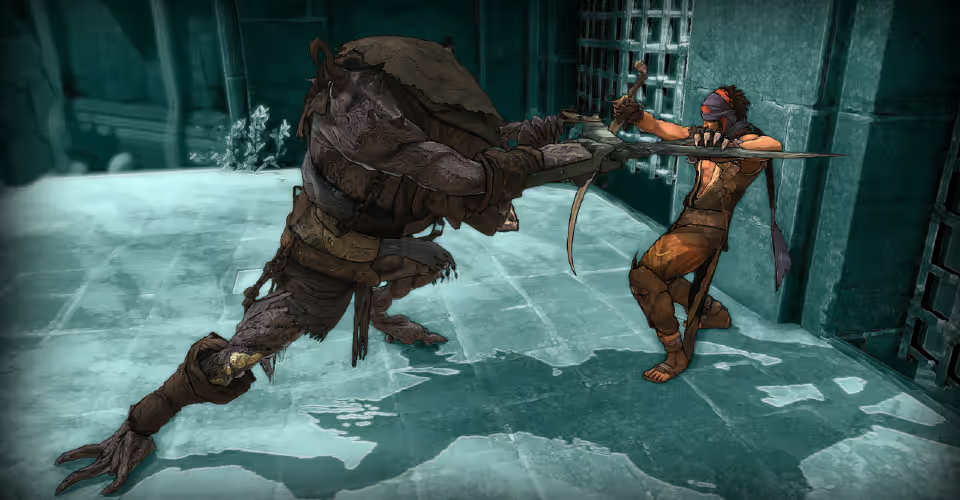 Modern action games are filled with characters that can jump between buildings, climb walls, and land smoothly. It took a long time for them to reach this level. It all started with Prince of Persia, where one simple idea transformed game animation.
Back in the 1980’s, video game characters moved very differently from how they do now. The way they ran and jumped looked stiff and only relied on just a handful of frames. That was enough back then. But when Prince of Persia was released in 1989, it introduced players to a whole new level of fluid animation.
Prince of Persia wasn’t remembered only for its puzzles and exciting combat. It showed developers that great animation can completely change how a game feels to play. Decades later, you can still see its impact in the action games we play today.
Bringing Characters to Life
When Prince of Persia came out, players were immediately impressed by how realistic the main character looked. Every movement had weight and was believable. Everything flowed naturally to the next. Compared to other games from the same era, it was hard to miss.
The life-like animation wasn’t by chance. Instead of animating every single movement from scratch, the creator filmed his younger brother doing everyday movements like running, jumping, and climbing. Then they used the video as a guide, recreating each action in the game. This process is called rotoscoping. This method helped the prince feel more lifelike than most games at the time.
How Smooth Animation Improved Gameplay
Good animation can change a whole gaming experience. In the game, the players had to carefully time their jumps, grab ledges, and dodge dangerous traps. It also helped them judge distances and react with confidence.
At the same time, this also made the game a bit more challenging. The character can’t just stop its movements midway, so the player had to plan instead of just mashing buttons. This made each jump over a spike pit feel exhilarating. Mastering the prince’s movements is more important than fast reflexes.
Raising the Standard for Character Animation
Before Prince of Persia, animation wasn’t the priority. If the character could move, that was enough. After the game's success, developers put more effort into making movements look and feel natural. As time passed, fluid movement became the new standard.
As gaming technology evolved, motion capture became a popular way to create realistic animations. Actors performed actual movements, and the developers translated them directly into the game. Although the technology they’re using is much more sophisticated than rotoscoping, both are built on the same idea of using real human movement as a reference.
More Than Just a Visual Upgrade
One reason why Prince of Persia’s animation was so memorable was how it helped tell the story. The way he moved helped players see just how dangerous the journey was, even without the cutscenes. The way the character walks, pauses, or recovers from a fall can say a lot about what they’re thinking or feeling. The game proves that body language can be a powerful storytelling tool, something that continues to shape many games today.
A Legacy That Still Influences Games Today
More than three decades later, Prince of Persia is still one of the most influential games in animation history. It demonstrated that believable animation could make games feel more immersive and enjoyable. Even after all these years, its impact is still easy to see.
Technology has changed so much since Prince of Persia first came out, but its greatest lesson still stands. The best animation does more than catch a player’s eye. It’s something they feel every time a character comes to life on the screen. That simple idea still plays a big role in how modern games are designed.